
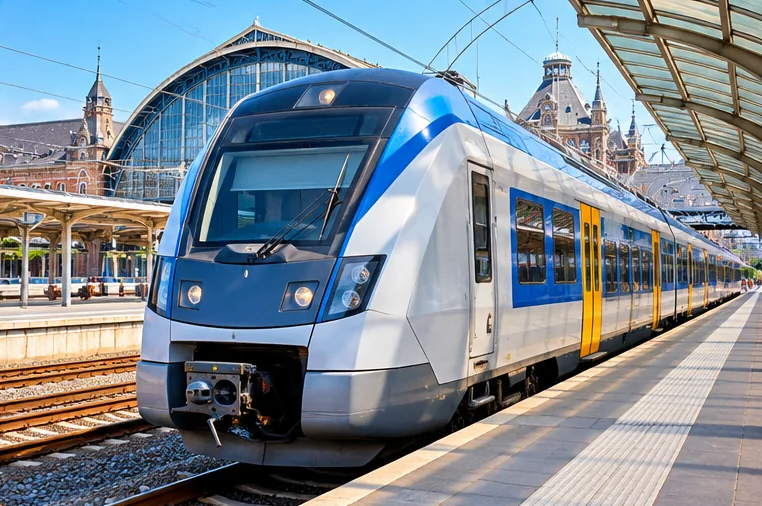
The pass and the seat are different
An Interrail Global Pass covers eligible rail travel, but on many trains it does not itself secure a particular seat. Where reservations are compulsory, passholders must obtain and pay for an appropriate reservation before boarding.
Frequently reserved services
- France: many TGV and international high-speed services.
- Eurostar: compulsory passholder reservations with capacity limits.
- Italy: many Frecciarossa/Frecce high-speed trains require paid reservations.
- Spain: most high-speed and many long-distance services require reservations; some trains may not participate.
- Sweden and Norway: some long-distance, high-speed and overnight services need advance reservations.
- Night trains: seats, couchettes and sleeper berths may need separate paid bookings.
Trains where you can often stay flexible
Many local and regional trains in countries such as Germany, Belgium and the Netherlands generally do not need reserved seats, subject to operator and train exceptions. Checking the exact service remains important.
How to reserve
Use the Interrail Rail Planner app and official operator reservation systems. Some reservations can also be purchased via Rail Europe. Booking windows, passholder quotas, refund conditions and fees vary by train.
Does a reservation use an extra travel day?
A compulsory seat reservation is not itself an extra travel day. A journey uses a travel day under the pass rules; any separate paid seat reservation covers the designated service only.
Useful last check
Confirm the departure station and time, name of train company, route validity, class, seat or berth and any border requirements. Do not rely on a train being available merely because the countries appear on the pass map.
More detailed planning guides
Independent editorial update: . Check the issuer and operator sources for current rules and dated train services. Local travel, admission and reservations can cost extra.